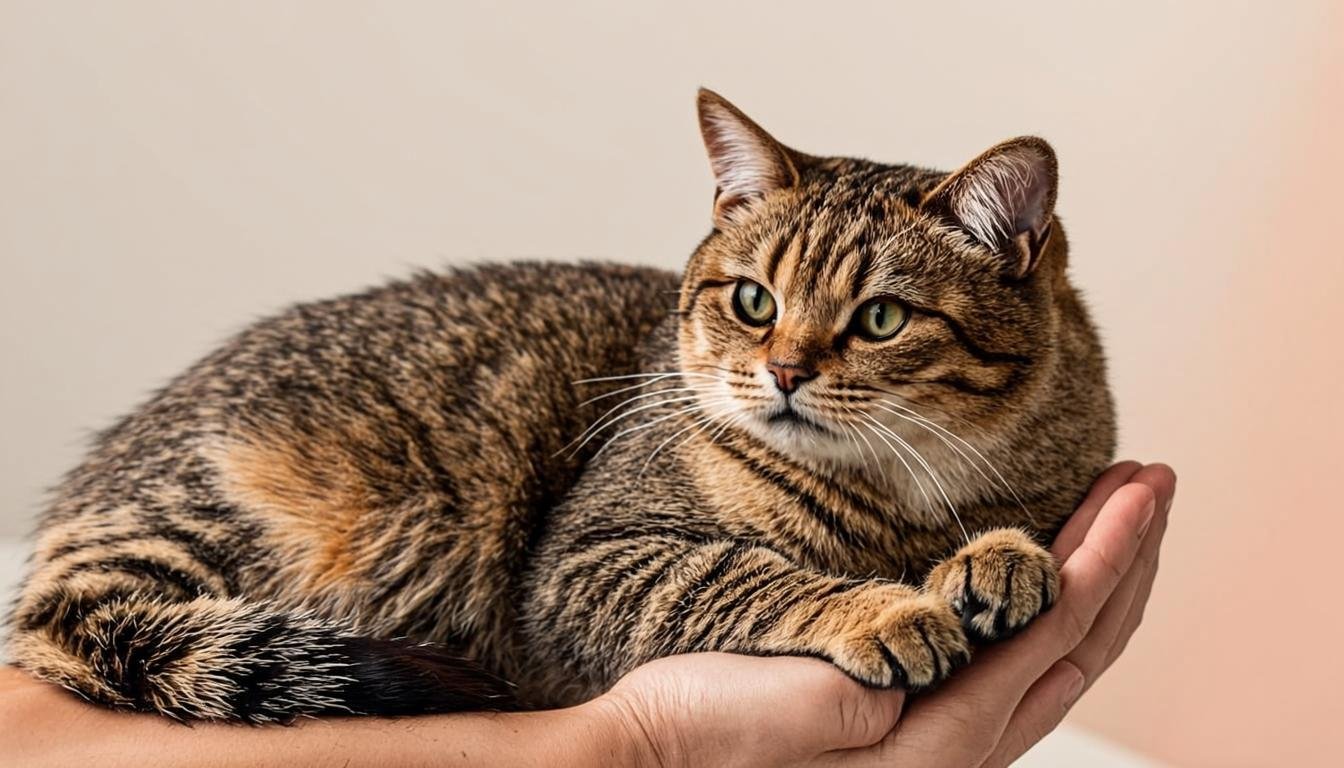
Carrying Your Cat Close: Why Affective Carrying Strengthens Your Bond
The cat has long been considered an independent animal that "doesn't like cuddles." This is a misconception. More and more studies show that cats are deeply social animals that benefit greatly from physical contact with their human. Affective carrying is one of the most enriching practices for a cat's well-being.
The Cat, a Social Animal That Needs Contact
The Misconception of Independence
For a long time, the cat (independent) was contrasted with the dog (affectionate). This view is incorrect. The cat is a social animal that:
- Forms lasting bonds with its peers
- Seeks contact with its human
- Shows affection through purring, head-butting
- Suffers from loneliness just like a dog
The Benefits of Physical Contact
Regular contact between a cat and a human brings:
- Reduced cortisol (stress hormone)
- Increased oxytocin (bonding hormone)
- Body temperature regulation
- Nervous system calming
The Benefits of Carrying for the Cat
1. Stress Reduction
A cat carried against its human feels secure. The human's heart rate (60-80 bpm) acts as a biological cradle that calms the feline's nervous system.
2. Strengthening the Bond
Regular carrying for 15-30 minutes a day creates a lasting bond. The cat associates your scent, warmth, and rhythm with security.
3. Stimulating Purring
A cat's purring has therapeutic virtues. It emits frequencies between 25 and 50 Hz that:
- Promote bone healing
- Reduce inflammation
- Also calm the human's nervous system
4. Preventing Boredom
A carried cat discovers the world from an elevated, mobile viewpoint. This stimulates its brain and reduces boredom (a common issue for indoor cats).
The Benefits for the Human
Reduced Anxiety
Petting a purring cat against you reduces your cortisol by 30% in 10 minutes. Prolonged carrying acts as an active meditation.
Lower Blood Pressure
Cat owners have lower blood pressure than average. Regular contact is a key factor.
Combating Loneliness
Affective carrying combats loneliness, especially for people living alone or working from home. A carried cat is a gentle, warm presence.
How to Carry Your Cat Safely
Respect the Cat's Consent
A cat should never be carried by force. Let them come to you:
- Offer contact (outstretched hand)
- Let the cat rub against you and climb
- Guide their movement
- Watch for signs of acceptance (purring, relaxation)
Signs That the Cat Doesn't Want to Be Carried
- Wagging tail
- Ears flattened back
- Attempt to jump
- Rigid body
If your cat shows these signs, don't force it. Try again later.
Choosing the Right Support
To carry your cat for a long time and safely, the cat carrier garment is ideal:
- Ergonomic support: the cat's weight is distributed
- Reassuring security: the cat can't fall
- Hands-free: you can go about your activities
- Shared warmth: the fleece keeps the cat warm
This is precisely the mission of the GatoPouch: a fleece hoodie with a front pocket to carry your cat against you, hands-free, during remote work, reading, cooking, or walks.
Affective Carrying at Different Life Stages
Kitten (2-12 months)
This is the best time to start carrying. The kitten gets used to contact and forms a lasting bond.
Adult Cat (1-7 years)
Carrying strengthens an already established bond. Ideal for active cats who like to observe the world.
Senior Cat (7+ years)
Carrying helps older cats that move less. The warmth soothes the joints and contact reduces aging-related anxiety.
FAQ
My cat doesn't like being carried, can I change that?
Yes, with a gradual approach. Start with 30 seconds of contact, slowly increasing. Associate carrying with a treat. Never force it.
How long per day should I carry my cat?
15 to 30 minutes a day is sufficient. Some cats like to be carried for 2-3 hours, others prefer short, frequent sessions.
Is carrying suitable for all cats?
Yes, but each cat has its own style. Some like to be carried in a "kangaroo" position (in a pouch), others on the shoulder, others against the chest. Observe your cat's preferences.
Conclusion
Affective carrying is not just a whim for the owner. It's a practice that brings tangible benefits to the cat (reduced stress, strengthened bond) and to the human (calming, lower blood pressure). In just a few minutes a day, you significantly improve your feline's quality of life... and your own.
To fully enjoy carrying, discover the GatoPouch — the cat carrier hoodie that makes prolonged contact natural, comfortable, and hands-free.